
Burlington, NC Motorcycle Accident Attorney
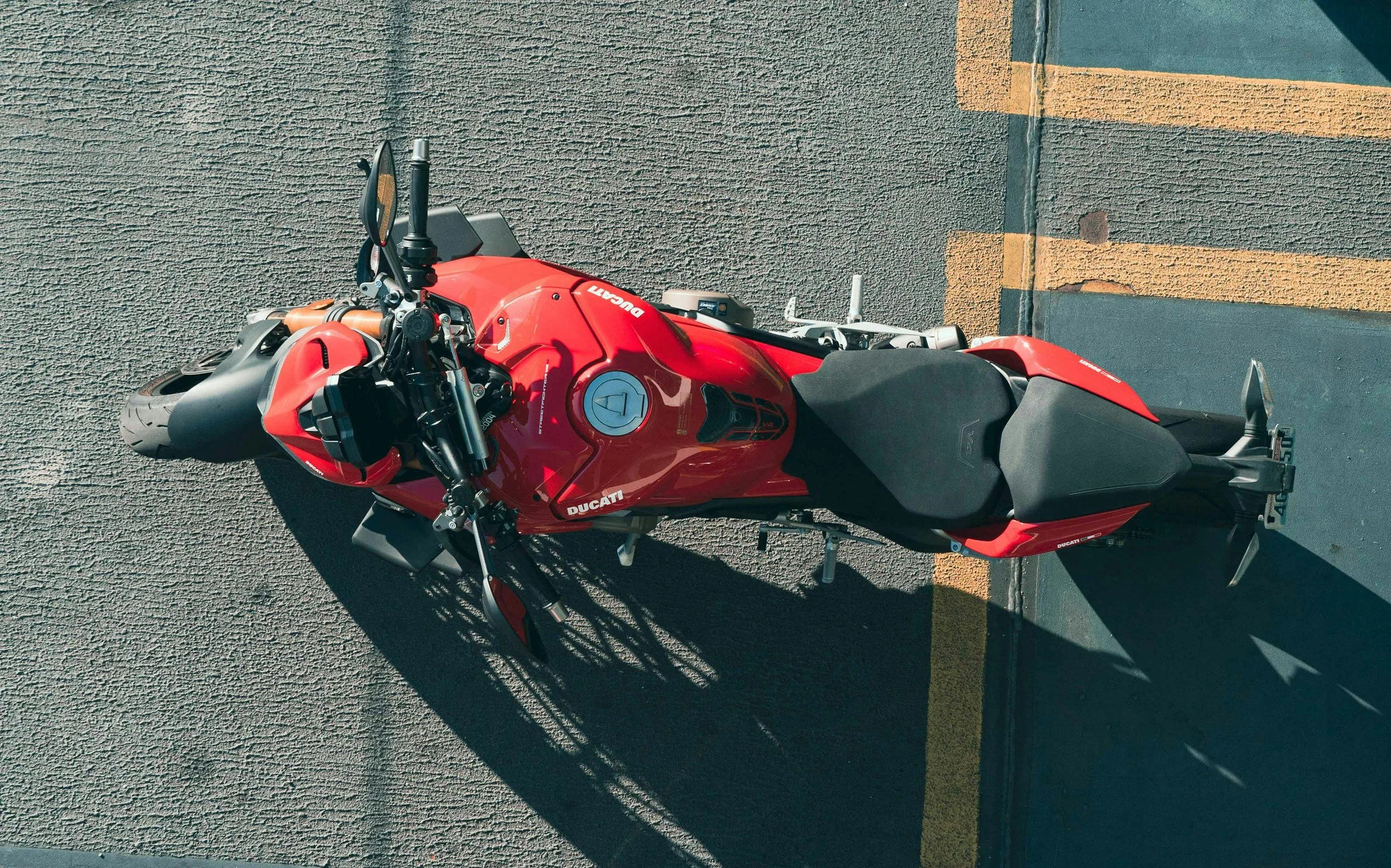
SHORT ANSWER: Burlington motorcycle accident cases file at the Alamance County Historical Courthouse, 1 Court Square, Graham, NC 27253, under a 3-year deadline. NC's pure contributory negligence rule means 1% fault may bar any recovery. The Last Clear Chance doctrine may save your case. NC law under N.C. Gen. Stat. § 20-140.4(b) prohibits using helmet non-use as negligence per se or contributory negligence per se -- the insurance company cannot use the fact you weren't wearing a helmet as automatic proof of fault. Call 336-221-8900.
Motorcycle riders in Burlington face a double threat.
The physical danger of roads shared with drivers who don't see them. And the legal danger of North Carolina's pure contributory negligence rule, which insurance companies use aggressively to argue that riders were at least 1% at fault -- and use that 1% to bar any recovery at all. I've been fighting both threats for motorcycle accident victims in Alamance County for 28 years.
See my main motorcycle accident attorney page for an overview. This page covers Burlington's specific corridors and legal issues.
NC Motorcycle Helmet Law and Your Burlington Case
SHORT ANSWER: North Carolina requires all motorcycle riders to wear a helmet under N.C. Gen. Stat. § 20-140.4. But the same law -- under § 20-140.4(b) -- prohibits using helmet non-use as negligence per se or contributory negligence per se. The insurance company cannot use the fact you weren't wearing a helmet as automatic proof of fault. NC requires all motorcycle riders to wear a helmet under N.C. Gen. Stat. § 20-140.4. The same law under § 20-140.4(b) prohibits using helmet non-use as negligence per se or contributory negligence per se. The insurance company cannot use your helmet status as automatic proof of fault.
What insurance companies will use instead: your speed, your lane position, your visibility, whether you were in a blind spot, your following distance. I know every angle they use against Burlington riders and I know how to shut each one down.
How Insurance Companies Approach Burlington Motorcycle Cases
SHORT ANSWER: Insurance adjusters in Burlington motorcycle cases follow a playbook. They call quickly. They ask questions designed to establish that you were at least 1% at fault. They use your answers to build the contributory negligence argument. I know their playbook. I know every question they ask and why they ask it. That's 28 years of watching this happen and knowing how to stop it.
| What Adjusters Claim Against Riders | How I Counter It |
|---|---|
| Rider was speeding | Documented speed data, crash reconstruction, road conditions at time of crash |
| Rider was in a blind spot | Driver's legal duty to check before lane changes; dash cam and witness evidence |
| Rider's lane position contributed | Proper lane positioning for motorcycles under NC law; hazard avoidance doctrine |
| Rider failed to avoid the crash | Last Clear Chance doctrine — driver had final opportunity and failed to take it |
| Helmet not worn (damages argument) | N.C. Gen. Stat. § 20-140.4(b) prohibits using helmet status in contributory negligence |
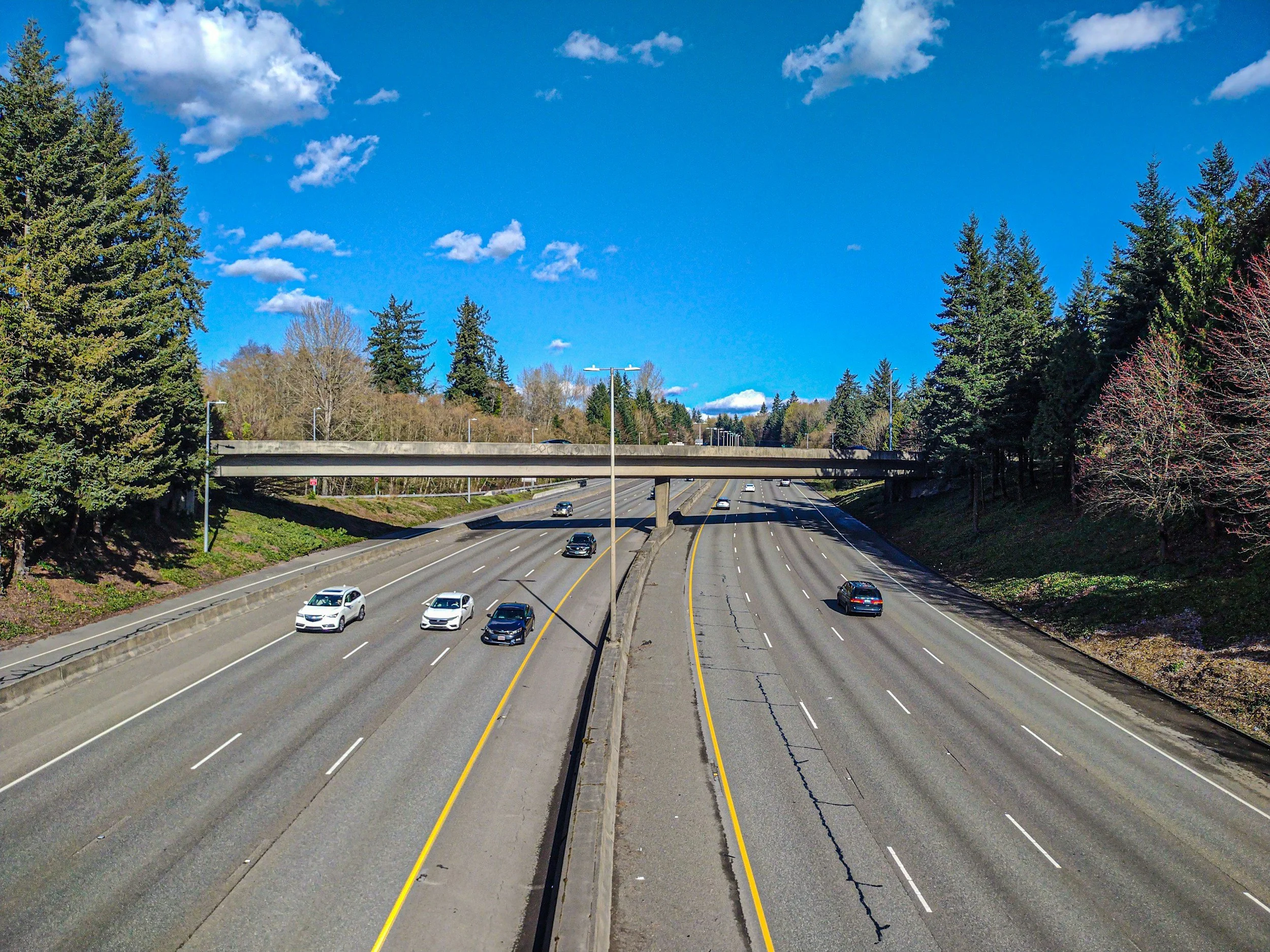
Burlington Motorcycle Accident Corridors
SHORT ANSWER: Burlington's most dangerous corridors for motorcycle riders: I-40/I-85 at Exits 140, 141, and 145 (high-speed merging truck traffic), NC-49/Maple Avenue (intersection conflicts), NC-62 and rural roads south and west toward Chatham County (curves, limited sight lines), and Huffman Mill Road near ARMC. I know these roads and I know how to build liability cases on all of them.
I-40/I-85 (Exits 140, 141, 145)
NC-49/Maple Avenue
NC-62 and rural roads south and west
Huffman Mill Road near ARMC
What If The Insurance Company Says I Was Partially at Fault?
SHORT ANSWER: North Carolina uses pure contributory negligence -- one of the harshest fault rules in the country. If you are even 1% at fault, you may recover nothing. Insurance adjusters in NC are trained specifically to find that 1%. There is one critical exception: the Last Clear Chance doctrine. If the other driver had a final opportunity to avoid the crash and failed to take it, you may still recover even if you were partially at fault. Do not talk to any insurance company before calling me.
The other driver's adjuster calls fast -- before you have a lawyer, before you know the full extent of your injuries, before you understand your rights. One careless sentence about fault becomes the record they use against you.
Don't talk to the other driver's insurance company without talking to me first. They are not on your side, no matter how friendly they sound.
The Last Clear Chance doctrine is real. If the other driver had a final opportunity to avoid hitting you and failed to take it, you may recover even if you played some role in what led to the crash. I know how to identify this argument and how to make it work in court.
Most cases settle. But if the insurance company won't be reasonable, I'm not afraid to try the case before a jury in Alamance County Superior Court.
What to Do After a Motorcycle Accident in Burlington
Get medical attention immediately. Motorcycle accidents produce serious injuries that aren't always immediately apparent. Call 911 or go to Cone Health Alamance Regional Medical Center, 1240 Huffman Mill Road, Burlington, (336) 538-7000.
Call 336-221-8900 before you talk to any insurance company. The contributory negligence clock starts the moment they get your first statement.
Get your accident report. Burlington Police: burlington.ecrash.interplat.com, Records Section (336) 229-3521. NC State Highway Patrol: vehicle-search.ncshp.org/accidents (5-7 business days).
Preserve your helmet, jacket, and gear exactly as they are. Do not repair, clean, or discard anything -- this is physical evidence.
Document everything -- photos of all vehicles, your injuries, road conditions, skid marks, and the intersection or road configuration.
Get the other driver's insurance information, license, and witness contacts.
Frequently Asked Questions: Burlington Motorcycle Accidents
-
No. N.C. Gen. Stat. § 20-140.4(b) prohibits using helmet non-use as negligence per se or contributory negligence per se. The insurance company cannot use the fact you weren't wearing a helmet as automatic proof of fault.
-
3 years from the date of your accident under N.C. Gen. Stat. § 1-52(5). Cases file at the Alamance County Historical Courthouse, 1 Court Square, Graham. Call me immediately -- I know how to preserve evidence on motorcycle cases.
-
If the other driver had a final opportunity to avoid hitting your motorcycle -- a merging truck that could have stopped, a left-turning driver who had time to yield -- and failed to take it, you may recover even if you were partially at fault. I know how to identify this argument and how to make it work for Burlington motorcycle victims.
-
NC's pure contributory negligence rule means 1% fault may bar any recovery -- but the Last Clear Chance doctrine may save your case. Do not discuss fault or your riding at the time of the crash with any insurance company before calling me at 336-221-8900.
-
The Alamance County Historical Courthouse, 1 Court Square, Graham, NC 27253. Cases over $25,000 go to Alamance County Superior Court under District 17. My office at 110 W. Elm Street is 0.2 miles from the courthouse.
-
This complicates your case but does not automatically bar your recovery. Insurance companies will use it to argue contributory negligence. I know how to address this issue and how to protect your right to compensation despite it. Call me before you say anything to any insurer.

Call me at 336-221-8900.
I don't waste your time or mine. If you have a case, I'll tell you. If you don't, I'll tell you that too.
Don't sign anything. Don't give recorded statements. Call me first.
Julian Doby Law
110 W. Elm Street, Graham, NC 27253
336-221-8900
Legal Disclaimer: This page provides general information about personal injury law in Burlington, North Carolina. It is not legal advice. Reading this page does not create an attorney-client relationship. Past results do not guarantee a similar outcome in your case.