
NC Personal Injury Law Blog
This blog covers personal injury law in North Carolina -- crash cases, wrongful death, insurance law changes, and the legal rights of people hurt on NC roads. Every post is written or reviewed by Julian Doby, a personal injury attorney based in Graham, NC who has practiced in Alamance, Orange, Chatham, and Caswell Counties for 28 years.
We cover real crashes on real NC roads. We cover the law that applies when someone is killed or injured in those crashes. And we cover the things insurance companies count on you not knowing -- contributory negligence, recorded statement traps, the July 2025 insurance minimum changes, and what the two-year wrongful death deadline actually means.
If something you read here applies to your situation, call (336) 221-8900. The consultation is free.
What We Cover
The blog focuses on personal injury law in North Carolina, with particular attention to crashes, wrongful death cases, and legal developments affecting injured people in Julian's four-county practice area: Alamance County, Orange County, Chatham County, and Caswell County.
Topics Covered:
Fatal and serious crash cases on NC roads -- what families need to know about their legal rights
North Carolina personal injury law -- contributory negligence, statutes of limitations, insurance minimums
Wrongful death in NC -- the two-year deadline, who can file, and what damages are recoverable
Car accident, truck accident, and motorcycle accident cases
NC law updates -- including the July 2025 insurance minimum changes under N.C. Gen. Stat. § 20-279.21
Hit-and-run cases and uninsured motorist coverage
DWI-related crash cases and punitive damages


About the Author
28 years handling wrongful death cases in Alamance County:
I've been practicing personal injury and wrongful death law in these courts since 1998. I know the Alamance County Historical Courthouse's civil procedures and I know District 17 Superior Court. I also handle cases in Orange County Superior Court in Hillsborough for crashes near Exit 157 at Buckhorn Road.
I handle both the personal injury and estate aspects: Wrongful death cases require competency in both personal injury law and estate administration. The personal representative appointment, the filing requirements, the distribution rules under the Intestate Succession Act, and the litigation itself all need to work together. I know how all of it works.
Local credentials: North Carolina State Bar #25407, admitted 1998. Campbell University Norman Adrian Wiggins School of Law, J.D. 1998. District 17 Judicial District Bar, Treasurer. Born and raised in Alamance County. Western Alamance High School.
7 miles from Mebane: My Graham office is at 110 W. Elm Street, approximately 2 blocks from the Alamance County Historical Courthouse where your wrongful death case would be filed. I am not a distant firm that refers cases. I handle them.
I know how to deal with insurance companies: Insurance companies don't intimidate me because I've dealt with them all for 28 years. In wrongful death cases they move fast and they use tactics. I know those tactics and I know how to counter them.

If Something Here Applies to Your Situation…
Reading a blog post does not create an attorney-client relationship. If you or someone in your family has been hurt in a North Carolina crash and you have questions about your legal rights, call (336) 221-8900 or use the contact form at juliandoby.com/contact.
We handle personal injury cases in Alamance, Orange, Chatham, and Caswell Counties. The initial consultation is free. If you have a case, we will tell you. If you do not, we will tell you that too.

Can Accepting the Other Driver’s Policy Limits Affect Your North Carolina UIM Claim?
A liability-limits offer can affect a possible UIM claim. Review the notice, insurer response period, and settlement documents before accepting the offer.
What Happens When Several People Are Injured and the Driver’s Insurance Is Not Enough?
Several injury claims can exhaust one accident’s liability limit. Learn what to verify about each person’s payment, possible UIM, and settlement documents.
Can Your Own Insurance Cover a Hit-and-Run Accident in North Carolina?
A hit-and-run injury and a damaged car may involve different coverages. Check UM requirements, collision coverage, policy notices, and the available evidence.
What Happens If the Driver Who Hit You Has No Insurance in North Carolina?
An uninsured-driver claim starts with confirming the coverage gap. This guide explains possible UM coverage, other insurance, and records to gather before settling.
Uninsured vs. Underinsured Motorist Coverage in North Carolina: What Is the Difference?
UM and UIM address different insurance gaps. Learn how North Carolina policy dates, damages, insured status, and shared limits affect the comparison.

Why Can the Amount You Receive Be Less Than Your North Carolina Car Accident Settlement?
The gross settlement is not necessarily the amount paid to the injured person. Fees, expenses and valid repayment claims require a documented review under the rules that apply to each.

What Should You Check Before Settling a North Carolina Accident Injury Claim?
A settlement decision requires more than comparing an offer with current bills. Review the injury outlook, available coverage, release terms and expected deductions before agreeing.

How Is Pain and Suffering Valued After a North Carolina Car Accident?
Pain and suffering is not set by a medical-bill multiplier. North Carolina focuses on actual injury effects and the evidence, with separate proof needed for future harm.

How Do You Prove Lost Income After a North Carolina Car Accident?
Lost-income proof must connect the injury to a supported earnings loss. Payroll, work restrictions and business records play different roles, and future earning capacity needs separate analysis.

Do Medical Bills Count at the Billed Amount or Paid Amount in a North Carolina Injury Claim?
North Carolina Rule 414 distinguishes satisfied bills from incurred bills still unpaid. The amount of past medical-expense evidence is separate from causation and overall claim value.

Who Pays Medical Bills While My North Carolina Car Accident Claim Is Pending?
A pending car accident claim does not resolve every bill as it arrives. Review available health coverage, optional MedPay, billing records and possible repayment obligations.
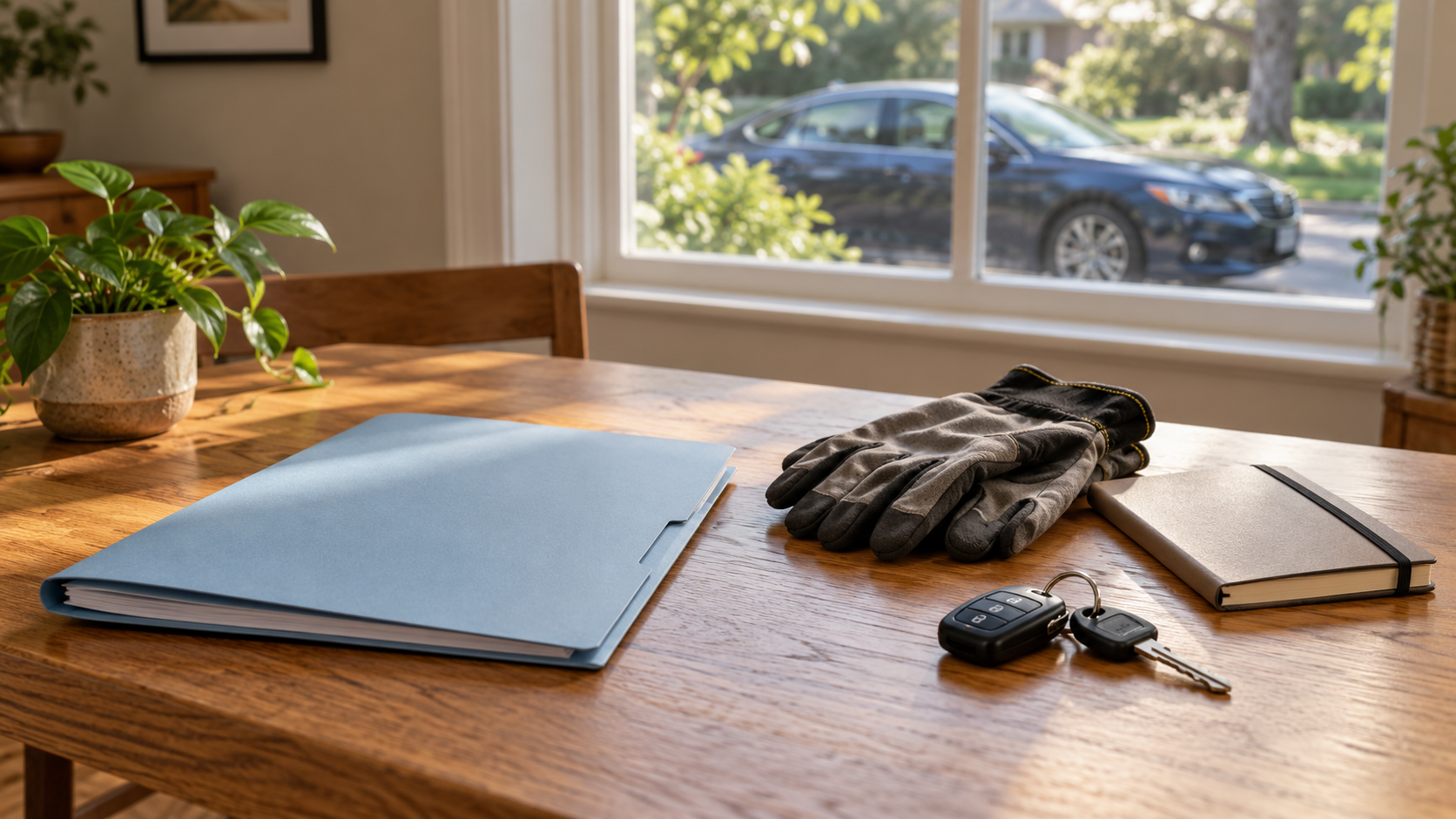
What Compensation Can a North Carolina Car Accident Claim Include?
A North Carolina car accident claim may include several kinds of loss. This guide separates damages, insurance, settlement and net proceeds, with records that help establish each issue.

What Evidence Should You Preserve When Fault Is Disputed After a North Carolina Car Accident?
When fault is disputed, keep original records and document where they came from. This guide covers photographs, recordings, witnesses, vehicle information, preservation requests, and the limits of access to someone else’s records.
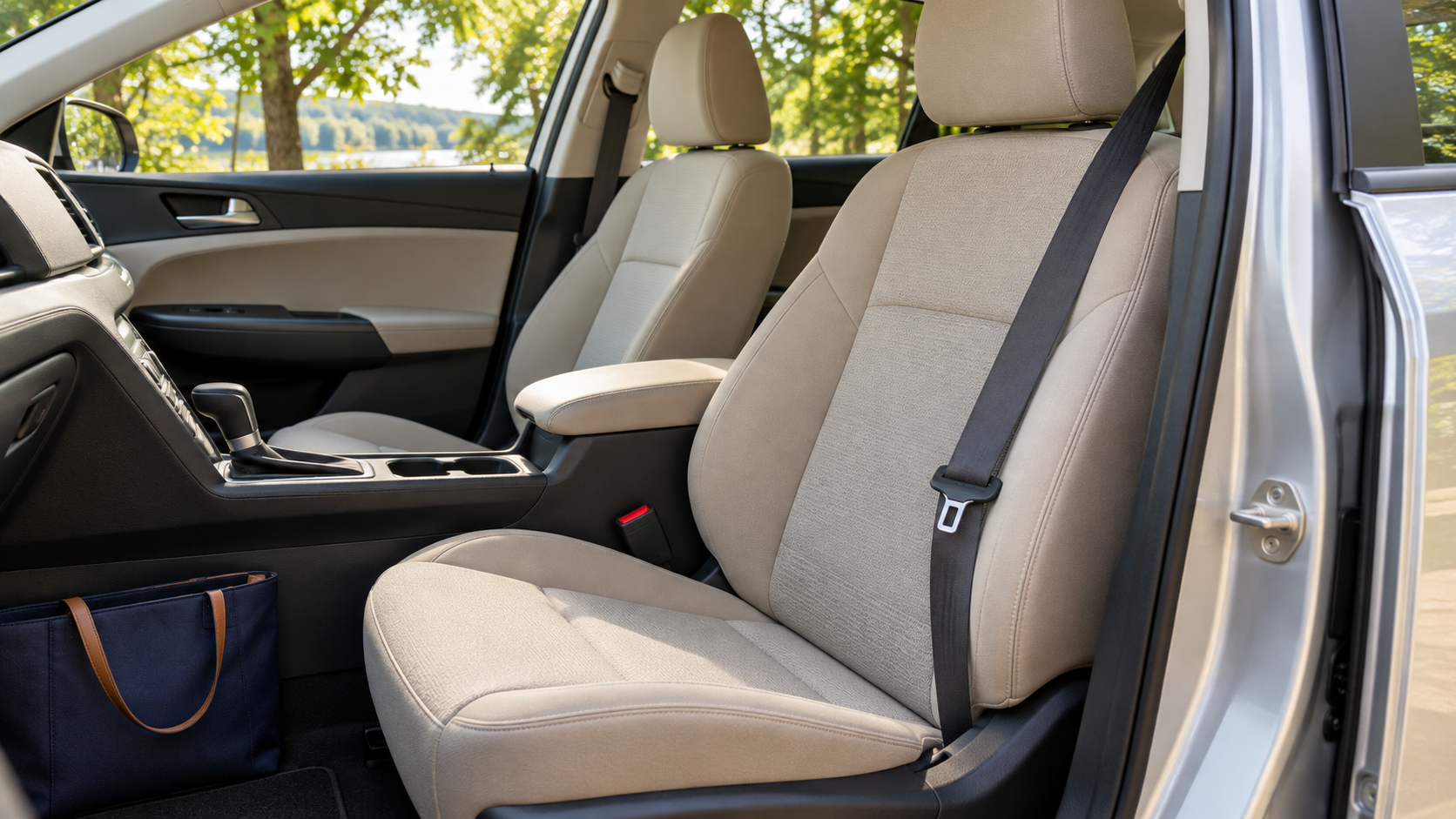
Can an Injured Passenger Bring a Claim When Their Own Driver Contributed to the Crash?
A passenger’s claim requires its own analysis. Driver negligence is not automatically assigned to a guest passenger, but ownership, control, the passenger’s own conduct, and available coverage can change the review.
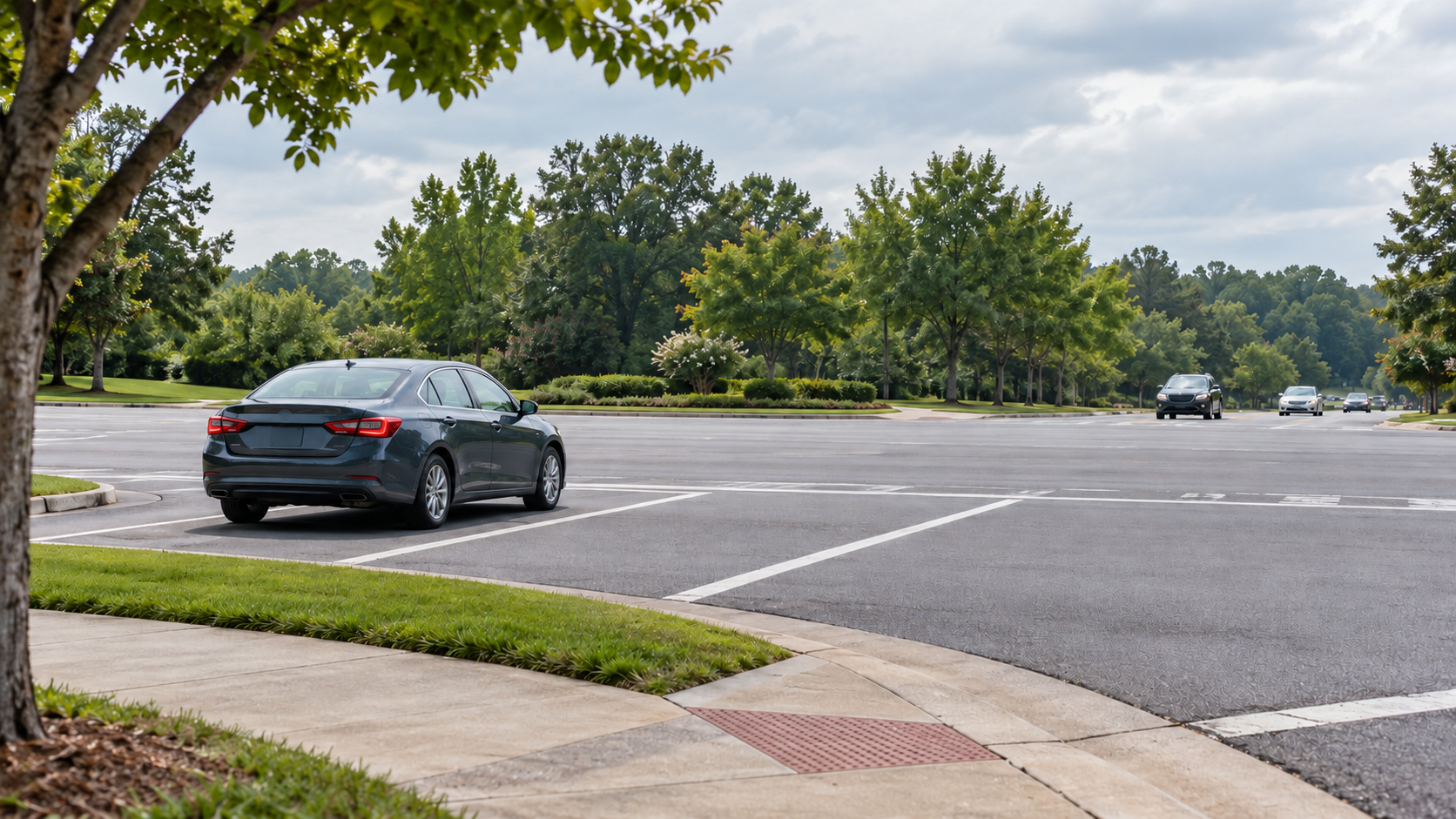
Who Can Be Responsible for a Left-Turn Collision in North Carolina?
A left-turn crash requires more than identifying which car turned. North Carolina yielding rules, the actual signal, each driver’s opportunity to respond, and the causal role of any negligence all need review.
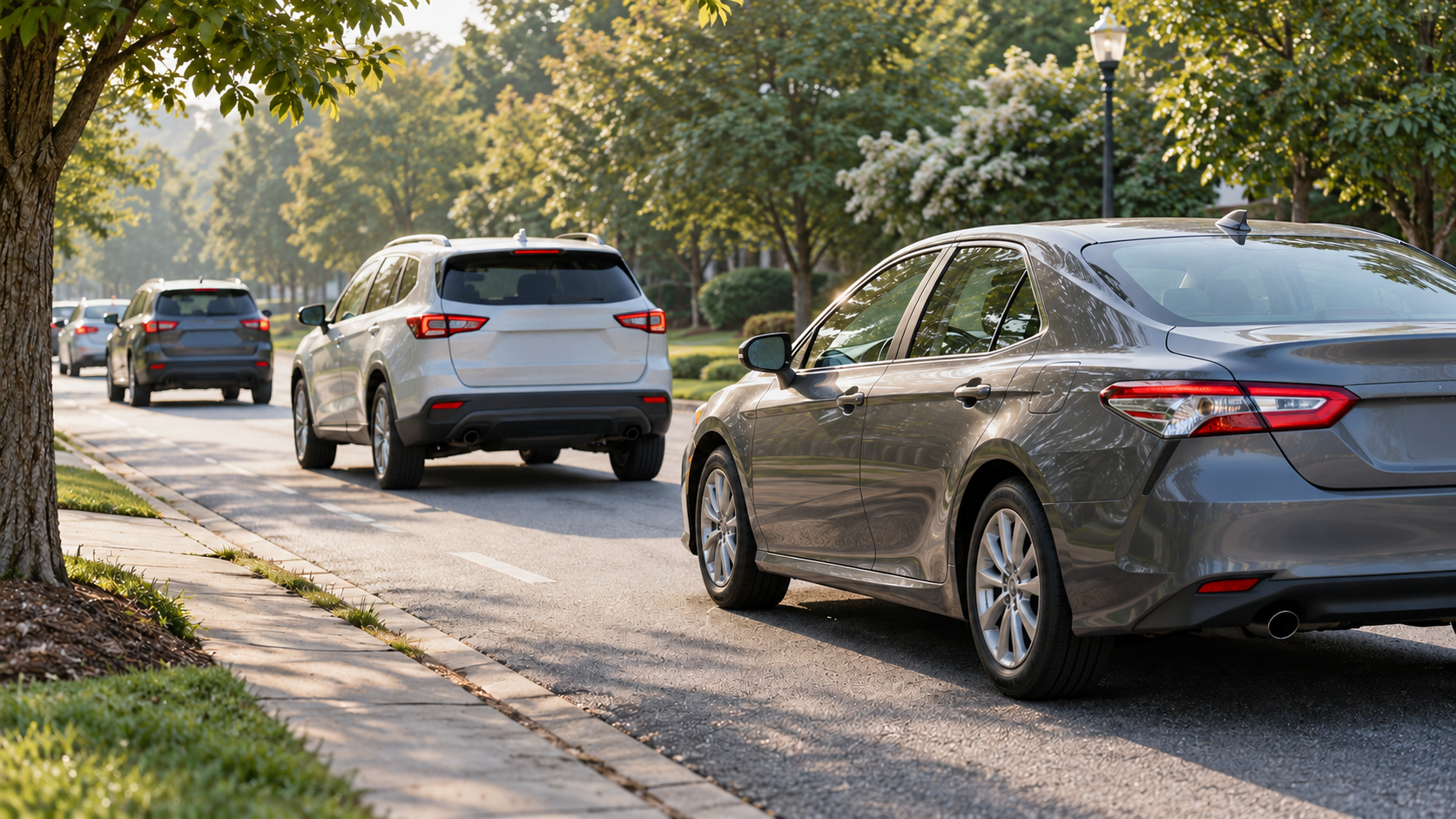
Is the Rear Driver Always at Fault in a North Carolina Rear-End Collision?
The rear driver is not automatically responsible for every rear-end collision. The evidence must show what each driver did, whether the following distance was reasonable, and how the sequence caused the injury.

Does the Police Report Decide Who Was at Fault in a North Carolina Car Accident?
A police report is an important record, but its different parts carry different meaning. Learn how to separate observations, driver accounts, contributing circumstances, and the legal question of responsibility.
What Is Contributory Negligence in North Carolina, and How Can It Affect a Car Accident Claim?
A fault allegation is not a legal finding. This guide explains North Carolina contributory negligence, the need for a causal connection, and the evidence to review before accepting an insurer’s conclusion.

How Long Can You Wait to Sue After a North Carolina Car Accident?
A focused guide to lawsuit timing while insurance discussions continue, including accrual, claim-specific exceptions, filing and service, and records for an attorney review.

Do You Have to Give a Recorded Statement After a North Carolina Car Accident?
A practical checklist for identifying the insurer, checking the applicable policy, understanding the type of interview requested, and keeping your answers accurate.
Legal Disclaimer: The posts on this blog are for general informational purposes only. They are not legal advice. Reading this blog does not create an attorney-client relationship between you and Julian M. Doby or Julian Doby Law. Every case is different and outcomes depend on specific facts and circumstances. For advice about your specific situation, contact a licensed North Carolina attorney. Past results do not guarantee a similar outcome.